

By Lisa Gage
Community Supported Agriculture, like Red Wagon Farm, offers local sustainable produce for people in Northern Colorado.
Do you know where your produce comes from?
Many of us shop at grocery stores, purchasing pre-packaged greens along with other fruits and vegetables labeled organic, confident we are getting the high-quality fresh produce. Most of our lettuce, spinach and salad greens come from California, Arizona and Mexico.
Produce transported over long distances spends more time in transit, passing through multiple handlers, distribution centers and inspection points before reaching grocery stores. This can affect freshness as well as nutritional quality. In addition, in the event of any food contamination, it is much more difficult to trace the source.
Recent cyclospora outbreaks across the nation, caused by contaminated produce, have people in Northern Colorado wondering if it’s safe to eat packaged produce. The microscopic parasite can cause extreme diarrhea and other serious gastrointestinal illness, serving as a reminder that knowing where your food comes from is important.
Choosing locally grown, organic and responsibly managed produce can help consumers better understand how their food is grown and handled. Many small farms maintain strict hygiene and sustainable growing practices that reduce risk while increasing accountability.
Northern Colorado is extremely fortunate to have many small independent farms that sell their products at on-site farm stands and at farmers markets. Many offer Community Supported Agriculture, or CSA, programs too.
—What is a CSA?—
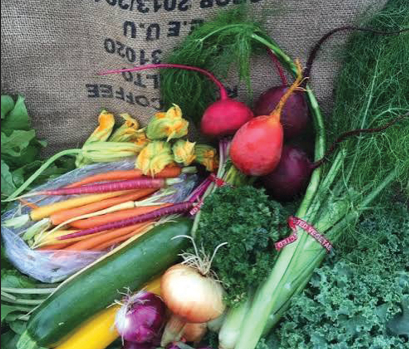
A CSA is a partnership between local farmers and the residents they serve. CSA members purchase a share of a farm’s harvest before the growing season. In return, they receive a regular supply of fresh seasonal fruits and vegetables. The typical standard offering is a box of fresh vegetables and fruits each week.
Some CSAs offer additional products, such as eggs, dairy or meat. In Colorado, the peak growing season is mid-summer. However, some farmers offer winter and spring shares as well.
According to Local Harvest, a national directory and resource for CSA consumers and farmers, many CSAs have introduced variations to the standard model.
One increasingly popular variation is the mix-and-match or market-style CSA. Here, rather than making up a standard box of vegetables for every member each week, the members load their own boxes with some degree of personal choice.
The farmer lays out baskets of the week's vegetables. Some farmers encourage members to take a prescribed amount of what's available, leaving behind just what their families do not care for. Some CSA farmers then donate this extra
produce to a food bank. In other CSAs, the members have a wider choice to fill their box with whatever appeals to them, within certain limitations.
—Shared Risk—
One of the key features of a CSA program is the concept of shared risk.
Unlike a traditional grocery purchase, CSA members pay for their share of the harvest before the growing season begins. That early commitment provides farmers with the financial stability they need to purchase seed, equipment and supplies while allowing them to focus on growing healthy crops rather than worrying about early-season cash flow.
Because farming is dependent on weather and other natural conditions, each season is different. A late frost, drought, hailstorm or prolonged heat wave may reduce the harvest of certain crops, while ideal growing conditions may produce an abundance of others. Rather than guaranteeing a specific amount of each vegetable, CSA members share in both the successes and the losses of the season.
This partnership creates a unique relationship between farmers and their members. When one crop doesn’t make it, customers adjust their expectations. When another thrives, everyone benefits.
Most farmers place a high priority on caring for their CSA members first, ensuring they receive the first harvests and the best produce available. Some CSA Farms even offer work and volunteer programs in exchange for membership.
Many CSAs serve residents in Northern Colorado. There are several online resources to consult for more information, including: ag.colorado.gov, localharvest.org, collectivecrop.com and thepigandtheplow.com
Whether you're motivated by food safety, better nutrition, organically grown, peak freshness and flavor, or simply have the desire to support your local farmers, joining a CSA can be a worthwhile investment. For many members the experience goes beyond bringing home a weekly box of vegetables. It fosters a greater appreciation for local farming and a stronger connection to the community.