
By Emily Bernard
Boulder Weekly
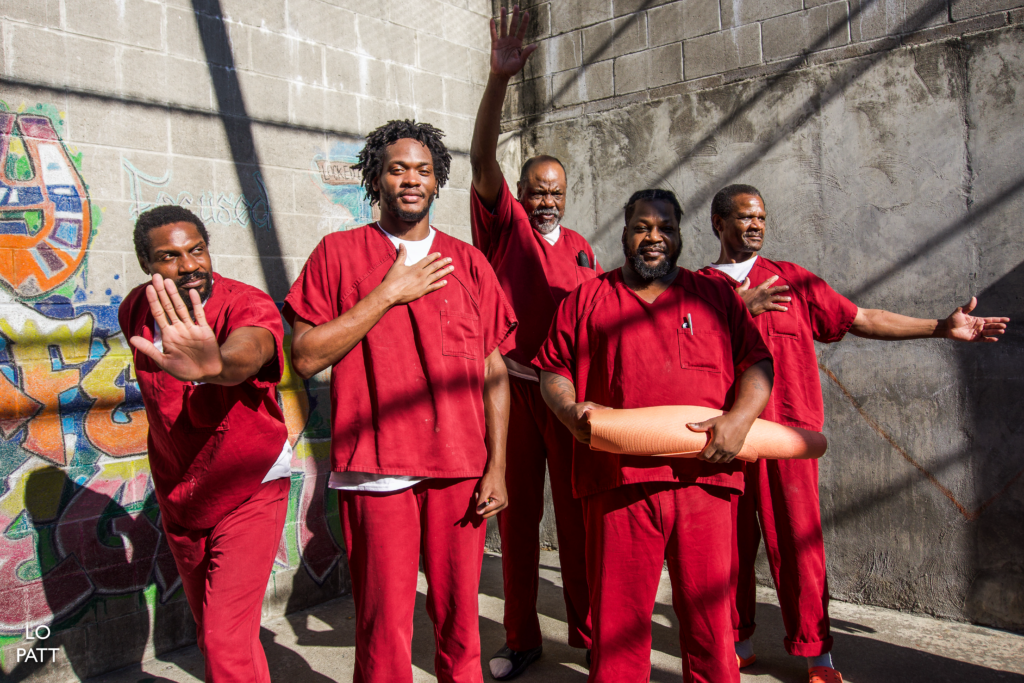
Every noise echoes off cinder block and steel. The air tastes of metal and smells of bleach. Constant light throws shadows across the bunks. Yet amid this bleak, sterile atmosphere, someone sits atop a thin mat on a concrete floor - asked only to breathe.
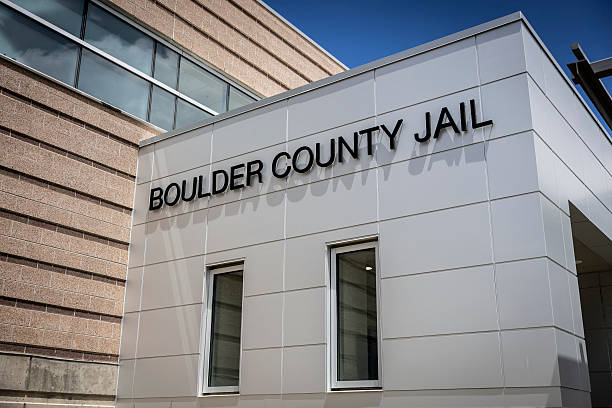
Most people inside Boulder County Jail carry deep seeded trauma that predates their arrest. The system requires them to change fast but rarely acknowledges how the shock of incarceration can contribute to continuous cycles of reentry. This is where trauma-informed yoga begins, by using breath and movement to calm nervous systems in a perpetual state of hyper-vigilance and bodies trapped in survival mode.
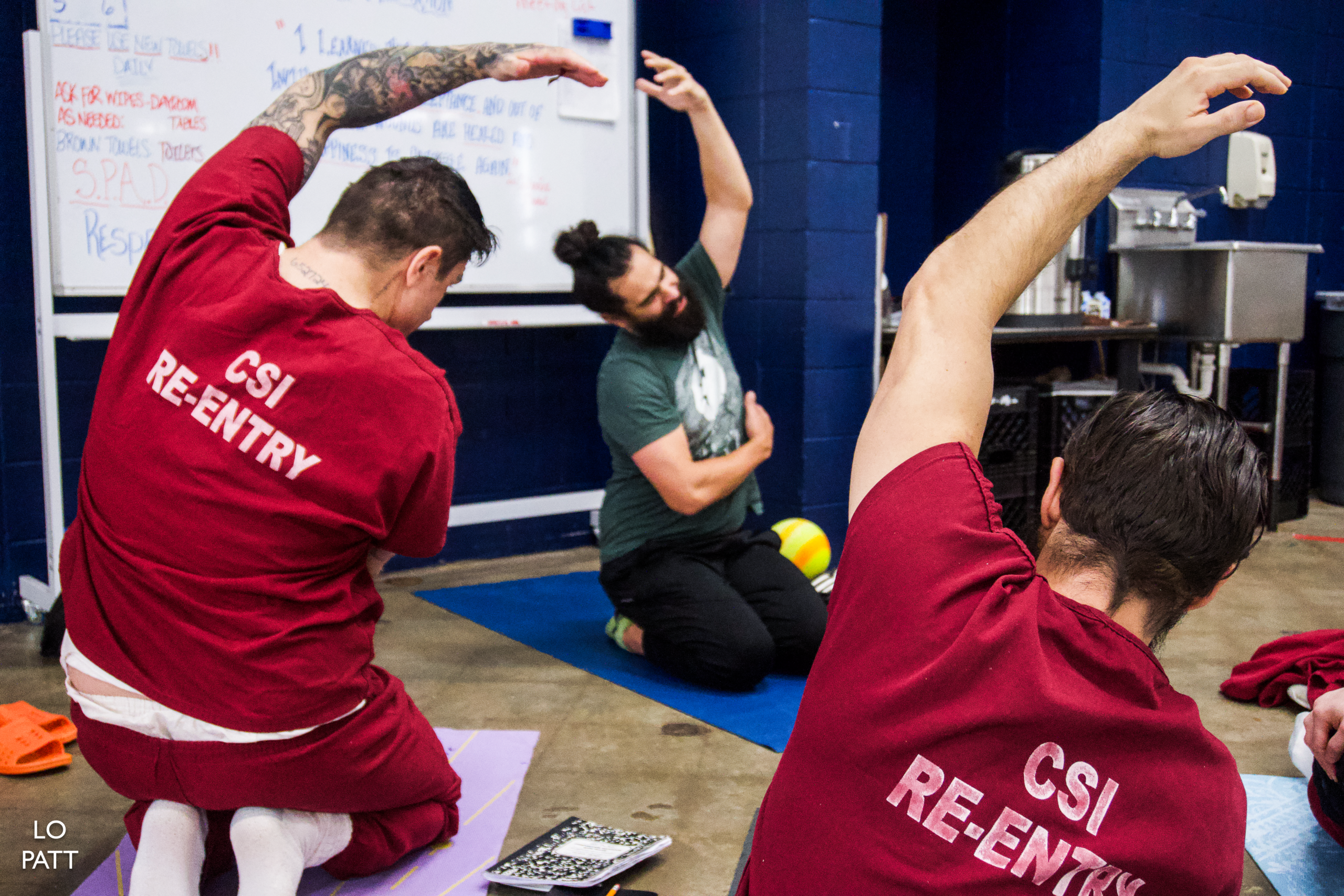
Mindfulness offerings at the facility began through the Jail Education and Transition program, which now partners with Boulder nonprofit Yoga Impact. Many instructors train through the Prison Yoga Project, founded by James Fox at California’s San Quentin State Prison in 2002.
"To rehabilitate means to heal," Fox said. "[Participants] never learned a practice to calm the nervous system, but they have learned to punish themselves." For Fox, rehabilitation starts with "learning to back off" the urge to act on impulse.
When people cannot pause long enough to recognize an emotion, consider a consequence or choose a different response, harmful cycles can repeat. A 2008 study from The International Journal of Yoga Therapy found that incarcerated men who attended more than four yoga classes were reincarcerated within two years just 8.5% of the time, compared with 25.2% who attended fewer than four classes.
After taking yoga while an inmate in Boulder County Jail, Traci Lundstrom eventually returned as an instructor and now runs the Transitional Yoga Program, which also offers free classes to released inmates on the outside.
Lundstrom said, yoga can help people "create a pause between an experience and a reaction. We emphasize choice and personal agency throughout the practice."
Sally Williams, a PYP-trained psychotherapist, notes that when emotional regulation falters, impulse control and the ability to sit with discomfort becomes more difficult. Trauma worsens this, which is why Williams pairs yoga with Dialectical Behavior Therapy and hopes participants can shed their shame and accept responsibility with "deep accountability with deep compassion."
Sgt. Erik Contreras, who provides multiple support services with the Boulder County Jail Division, said yoga skills often improve communication between inmates and deputies. He sees growth in long-term participants and those skills often outlast the sentence.
"When [formerly incarcerated people] are first coming back [to jail], there is a lot of blaming," Contreras said. "But if they had yoga before, they hold themselves accountable."
Still, success is hard to measure.
"Big picture-wise, we see people staying in the community and staying out longer, even staying out for a longer period of time is a win," Manfredi said.
Lundstrom said successful reentry depends on many factors, including housing, employment, family support and access to care. Her research found decreases in stress and depression, though she cautions yoga is "not a magic solution," but one tool among many.
"When someone leaves jail, they are often entering a period that requires them to make an enormous number of decisions and navigate considerable uncertainty," Lundstrom said. "Having a practice that is familiar can provide a small but important sense of continuity.
"A person's most difficult chapter does not have to become their permanent identity," Lundstrom said.
Accountability is not solely the responsibility of those incarcerated. Victor Reyes, a former Colorado district judge who now teaches yoga in prisons, came to that realization after years on the bench.
"We all as human beings undergo difficult periods in our lives… I was a little frustrated that as a system we never reached to the core of the person where substantive change occurs."
Reyes said that when he practiced law, "trauma, and its effect was not at the forefront of our legal knowledge." Today, he argues, institutions must examine how they contribute to systemic trauma and invest in practices that support healing alongside accountability.
In an unforgiving place built on guilt and punishment, trauma-informed yoga offers something different: a safe space to pause, notice and choose. Sometimes that space is a single breath.