
By Matt Weiner
Boulder Weekly
When spring 2027 rolls around and speakers crackle with “Pomp and Circumstance,” Merelyn Chavez may reflect on her journey from an economically disadvantaged home to graduating from the University of Colorado Boulder; from not fully grasping English until fifth grade to majoring in molecular, cellular and developmental biology and minoring in Spanish and sociology – with her mom proudly looking on.
“Her dream was for me to be the first woman in my family to go to college,” Chavez said.
Without the $100,000 in scholarship money she received through the annual Elevations Credit Union Buffalo Bicycle Classic, Chavez said, “This wouldn’t be possible.”
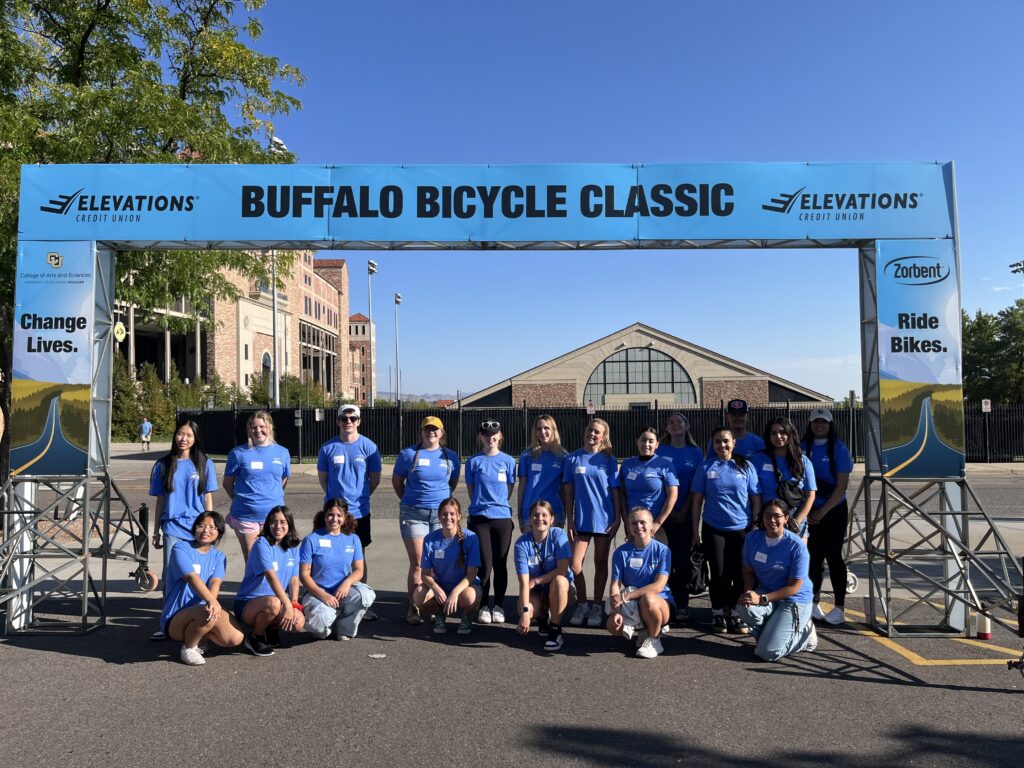
As the 24th edition took place in September, Chavez’s story magnifies the ride’s life-changing impact. Since its inception, over 450 students have received financial assistance.
“They believe in us,” Chavez said.
The most recent ride drew 1,300 riders and raised over $100,000, bringing the overall total to more than $4.4 million. Proceeds from participants, who pay to ride distances ranging from 10 to 100 miles and can make additional donations, fund all scholarship awards.
Riders passed through postcard-perfect views of Boulder Canyon. Depending on the route, they could see glimmers of Carter Lake and ponderosa pines as they weave through the jutting canyons.
Past scholarship recipients, many from disadvantaged homes, have gone on to become doctors and lawyers and have graduated cum laude.
Current scholarship recipients are on a similar trajectory.
“The BBC scholarship has been instrumental in me being able to afford college. I come from a lower-income household, which is incredibly limited in helping me financially,” one student wrote. “I hope to have a doctorate in anthropology, live in Germany and become a professor there.”
For Chavez, the scholarship has helped cover $5,000 in tuition each semester, as well as the cost of a MacBook and various laboratory equipment.
With this support, she plans to use the chemistry background her scholarship helped fund to become a forensic toxicologist after graduating from pharmacy school. A core part of her ideal job would be conducting toxicology reports on victims of fatal overdoses to provide their loved ones with answers amid shock and distress. She discovered the profession while at CU Boulder and saw it to give back to her community.
Growing up in a low-income, predominantly Latino immigrant community in Greeley, Chavez said drug use was common. Members of her family and community have died because of drug use, and she came to realize how seamless and easy the transition to using drugs could be.
“Some of my cousins are in jail at this moment because it was just so common,” Chavez said. “In high school, getting these drugs was almost so accessible. It was not something seen as taboo.”
In many instances, Chavez said, people became addicted because of hard-labor jobs, including those at local meat-processing plants: long hours, labor-intensive work and physical exhaustion. Some workers needed something to maintain productivity, get through a shift and make ends meet. Dependency followed.
“We don’t ever really look at that aspect: Why are these people getting drugs? What led them to do these drugs?” Chavez said.
Fearing her daughter could be next, Chavez’s mother saw education as a guardrail and college as a ticket out.
So, by high school, Chavez had packed her schedule with AP classes and AVID, a four-year program designed to help students enroll in college. She also filled her time with extracurricular activities.
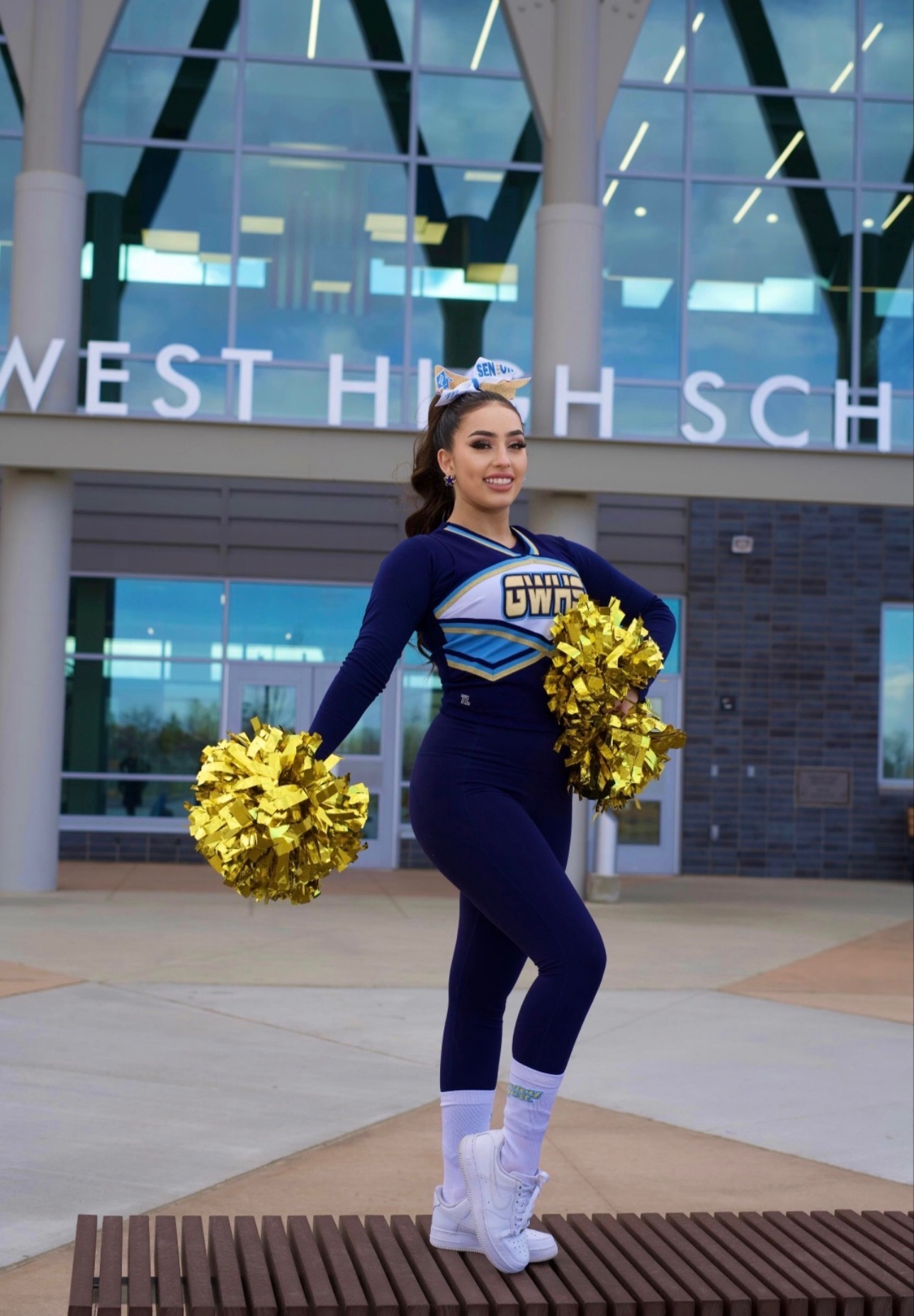
Swimming and diving. Track and field. Cheer. Art.
In the spring of her senior year at West Greeley High School, the work culminated in an acceptance letter from CU Boulder. One problem: She didn’t know if she could afford it. Her mom made only $30,000 a year, and Chavez said she “would have never been approved for a big loan.”
But Chavez stumbled upon a slew of scholarship opportunities, including the Buffalo Bicycle Classic. It seemed advantageous: The scholarship was paid out over four years, was merit-based and required community service, a high GPA and volunteering at each bike ride.
So she applied, crafted a letter and eventually received an email.
“Congrats!” it read.
Now, four years later, the scholarship has eliminated much of the financial stress. It has allowed her to focus on academics, make friends and, one day, hopefully help a victim’s family find answers.
Along with that has come a sense of peace and comfort.
“Medical science is a privilege that I take and something I hold to my heart because I hope one day, once I get my doctorate, I can give back to my community,” Chavez said. “That would mean so much to me.”