Dear Boulder Weekly readers,
For more than three decades Boulder Weekly’s annual VOTE editions have guided Boulder County residents with respect to exercising our most fundamental democratic responsibility: casting a ballot. Understanding that our readers rarely have the time to fully research all of the candidates and ballot measures placed before them, we methodically go about the task of interviewing every candidate and examining every question voters will face so that the community can make well-informed decisions about the issues that really matter in their lives.
And because the Weekly is independently owned, our readers can rest assured that the information we provide is unbiased and untainted by the corporate agenda that pervades so much of the media in this day and age.
This year’s VOTE edition comes at a time when Boulder Weekly is in the process of restructuring our operation in the aim of ensuring that we will continue to provide the kind of independent journalism we have offered our community for 32 years. Like the storefront that looks boarded up on the outside, we are busy making renovations and planning for for the relaunch of the Weekly's print edition. Therefore, this year’s VOTE edition is being delivered to you digitally, through BoulderWeekly.com and by email.
This week’s edition covers City of Longmont Mayoral, City Council At-Large and Ward Candidates. Longmont, Lafayette & Westminster Measures and Ordinances. Last week's edition starts after the Longmont, Lafayette & Westminster Measures and Ordinances.
We’ve also included Boulder Weekly’s editorial endorsements where applicable, reflecting both our long-standing values and today’s evolving local priorities. This guide was prepared by Boulder Weekly Editor Rachel Pickarski, with contributions from the Boulder Weekly editorial team. We’re excited to share more in the coming weeks as we continue to evolve and re-emerge with renewed energy, purpose, and coverage that matters.
|
LONGMONT CITY MAYORAL CANDIDATES
|
|
Longmont voters will choose one candidate for mayor. Although several names appear on the ballot, each voter may select only one. The mayor serves a two-year term and represents the entire city, presiding over City Council meetings and helping set citywide priorities.
|
|
|
|
|
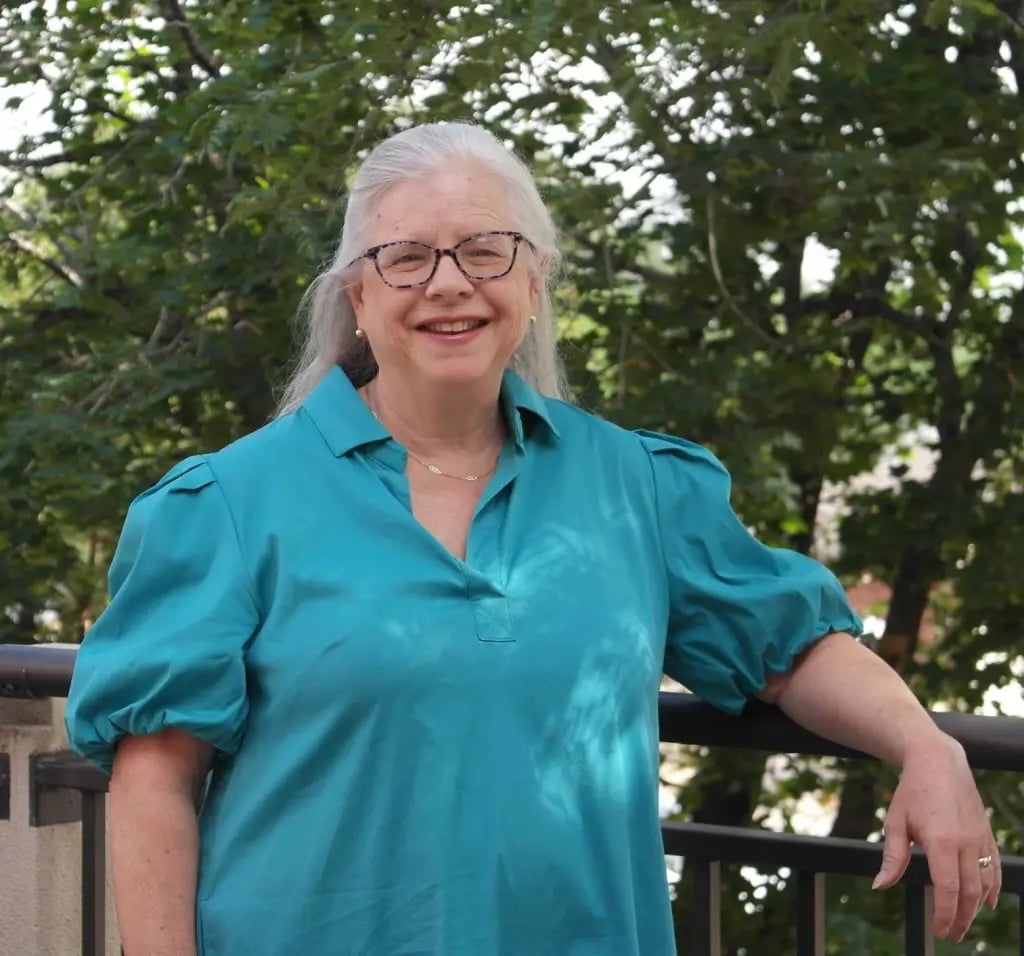
Sarah Levison (Former City Council)
2025 Longmont Mayoral Candidate
|
|
Sarah Levison is a former two-term Longmont City Council member. This candidate is running on a platform centered around sustainable economic growth, responsible development, affordable and mixed-income housing and maintaining Longmont’s quality of life through strong city services. She has extensive experience in municipal governance and has served on several local boards and task forces related to economic vitality, the arts, and neighborhood engagement. Levison emphasizes thoughtful growth that aligns with existing infrastructure and community character.
Strengths (Pros): Levison brings direct experience from two terms on the Longmont City Council and has been active in community leadership through local boards and policy task forces. Her focus is on balanced growth, fiscal responsibility and collaborative decision making that prioritizes community input.
Limitations (Cons): She has not held an executive leadership role, which may raise questions about readiness for broader administrative responsibilities. Some of her positions favoring slower, sustainability focused development may draw criticism from business or pro-growth stakeholders seeking faster expansion.
|
Their Website
|
|
 |
|
Susie Hidalgo-Fahring (Mayor Pro Tem)
2025 Longmont Mayoral Candidate
|
|
Mayor Pro Tem Susie Hidalgo-Fahring represents Ward 3. This candidate has a background in elementary education, is focused on increasing affordable housing, expanding mental health support, strengthening early childhood education, and maintaining public safety.
Strengths (Pros): As Mayor Pro Tem, Hidalgo-Fahring has supported measures to expand affordable housing development and rental assistance programs, backed funding for mental health and youth services, and advocated for inclusive community engagement in city decision-making. She has also participated in regional discussions on sustainability and growth management.
Limitations (Cons): She has limited administrative or private-sector management experience. Some of her votes on sustainability and development policies, such as support for stricter environmental standards, have received mixed reactions from business and property development groups concerned about regulatory impacts.
|
Their Website
|
|
|
|
|
 |
|
Shakeel Dalal
2025 Longmont Mayoral Candidate
|
|
Shakeel Dalal is a first-time candidate for Mayor. This candidate has been active in local civic efforts including co-founding LAUNCH Longmont Housing and serving on the city’s Professional Standards Review Board. His campaign emphasizes housing affordability through zoning reform and accessory dwelling units, data-driven government and accountable leadership.
Strengths (Pros): Dalal demonstrates detailed policy understanding around housing and urban planning and has engaged directly in community oversight roles. His platform focuses on practical, incremental solutions to affordability and infrastructure challenges.
Limitations (Cons): Dalal lacks prior elected or executive leadership experience. His proposals to increase density and remove parking minimums may face resistance from residents concerned about neighborhood impacts and pace of change.
|
Their Website
|
|
 |
|
Diane Crist (Current Ward 1 Representative)
2025 Longmont Mayoral Candidate
|
|
Diane Crist currently serves as the Ward 1 representative on the Longmont City Council and is running for Mayor with a focus on responsible growth, transportation access, public safety and small business support. This candidate highlights improving neighborhood connectivity and balancing infrastructure expansion with fiscal responsibility.
Strengths (Pros): Crist brings experience in both city government and small business ownership, with a record of supporting transportation initiatives and neighborhood safety programs. Her focus on measured growth and community infrastructure aligns with steady municipal management.
Limitations (Cons): Crist is cautious in pursuing large-scale policy changes. Her emphasis on gradual growth and balanced budgeting could draw criticism from constituents seeking more aggressive action on housing affordability or climate resilience.
|
Their Website
|
|
|
|
LONGMONT CITY COUNCIL AT-LARGE CANDIDATES
|
|
The at-large council seat represents all of Longmont, not a specific ward. Voters citywide may cast one vote for their preferred at-large candidate. The top vote-getter will serve a four-year term on the City Council.
|
|
|
 |
|
Alex Kalkhofer
2025 Longmont City-Council At-Large Candidate
|
|
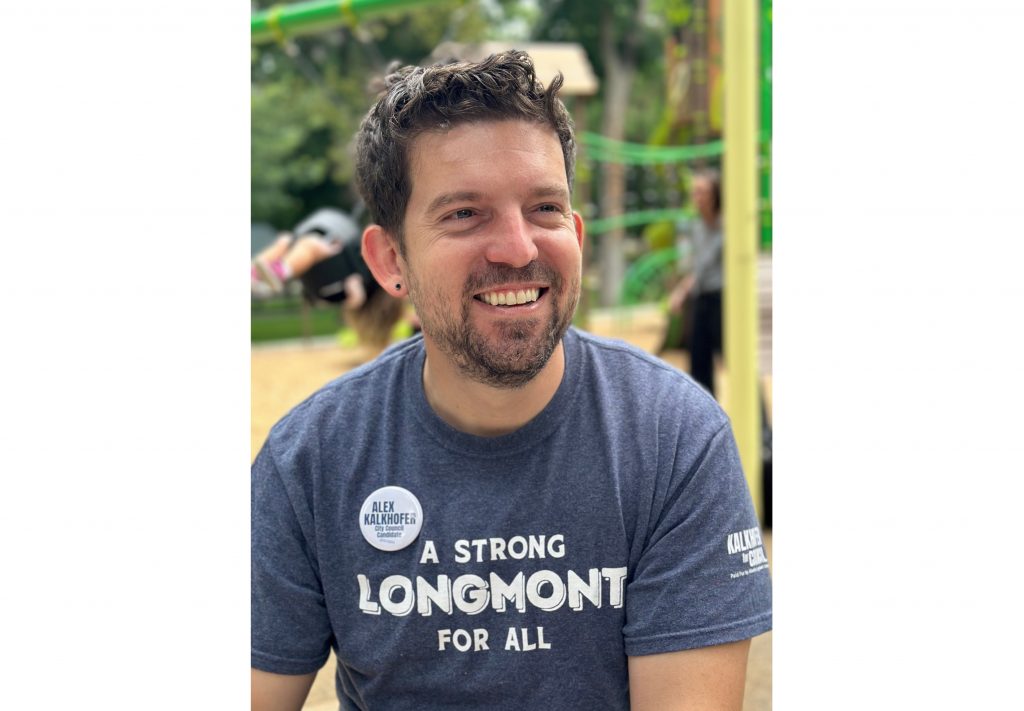
Alex Kalkhofer is a first-time candidate running for an City Council At-Large seat with a focus on managing growth, improving traffic safety, supporting small business expansion beyond downtown and maintaining community affordability. His campaign emphasizes collaboration and long-term planning to preserve community character while encouraging thoughtful development.
Strengths (Pros): Kalkhofer brings experience in logistics and project management along with community volunteer work and practical problem-solving skills. He advocates for balancing economic development with maintaining Longmont’s livability.
Limitations (Cons): Kalkhofer has no prior elected experience and his emphasis on controlled growth and neighborhood focused decision making may limit appeal among residents advocating for more aggressive action on affordability or urban density.
|
Their Website
|
|
 |
|
Crystal Prieto
2025 Longmont City-Council At-Large Candidate
|
|
Crystal Prieto is a first-time candidate running for a City Council At-Large seat and is a lifelong Longmont resident. This candidate works as a family development specialist, is a small business co-owner, and has served on the Longmont Housing and Human Services Advisory Board. Her campaign emphasizes affordable housing, equitable access to city resources, and responsible budget management that prioritizes community well-being.
Strengths (Pros): Prieto has a professional background in family and community services gives her direct insight into the needs of Longmont residents facing housing and economic challenges. She advocates for strengthening the city’s safety net programs, improving affordable housing access and ensuring city funds are directed toward essential services. Her local roots and service experience position her as a candidate focused on equity and community connection.
Limitations (Cons): Prieto has not previously held elected office, which may present a learning curve in navigating city governance and budget processes. Her campaign platform, while community-focused, offers fewer specifics on implementation compared to more experienced candidates.
|
Their Website
|
|
|
|
|
 |
|
John Lembke
2025 Longmont City-Council At-Large Candidate
|
|
John Lembke is first-time candidate running for the Longmont City Council At-Large seat. This candidate is a mechanical engineer and operations professional, running with a platform centered on safe and efficient transportation, housing choice, fiscal sustainability and family supports like expanded childcare. He also backs legalizing more “missing-middle” housing types and streamlining rules to lower costs while maintaining Longmont’s character.
Strengths (Pros): Lembke offers a clear, actionable transportation agenda rooted in street design: slower neighborhood speeds, safer crossings, and targeted intersection fixes, with an emphasis on quick changes at proven crash locations. He ties mobility to economic health by aiming to tame “stroads” for safety and business vitality. Lembke's broader platform goals are diversifying housing types, regulatory simplification and family-friendly infrastructure.
Limitations (Cons): The scale of his proposed corridor transformations and intersection redesigns may face funding, phasing, and consensus hurdles. Prioritizing roundabouts, reclassifying corridors, and adding underpasses can be controversial and time-intensive, requiring strong interagency coordination and community buy-in.
|
Their Website
|
|
 |
|
Riegan Sage
2025 Longmont City-Council At-Large Candidate
|
|
Riegan Sage is a first-time candidate running for the Longmont City Council At-Large seat. This candidate is a marketing and operations consultant, educator, and has served as a nonprofit board member for 20 years acroos non-profit theatre companies, academic institutions and Homeowners associations. She advocates for affordable housing, small business support, and growth that preserves Longmont’s character while encouraging innovation and walkability.
Strengths (Pros): Sage combines private-sector efficiency with a community-minded approach. Her platform emphasizes mixed-use and infill development, accessory dwelling units, and creative housing solutions that balance growth with neighborhood integrity. She promotes data-based accountability in city planning and seeks to strengthen connections between residents, businesses, and local government.
Limitations (Cons): Sage has not previously served in elected office, which may limit her familiarity with municipal procedures. Her platform while robust, is wide-ranging and could require clearer prioritization to address near-term city challenges.
|
Their Website
|
|
|
|
|
 |
|
Jake Marsing
2025 Longmont City-Council At-Large Candidate
|
|
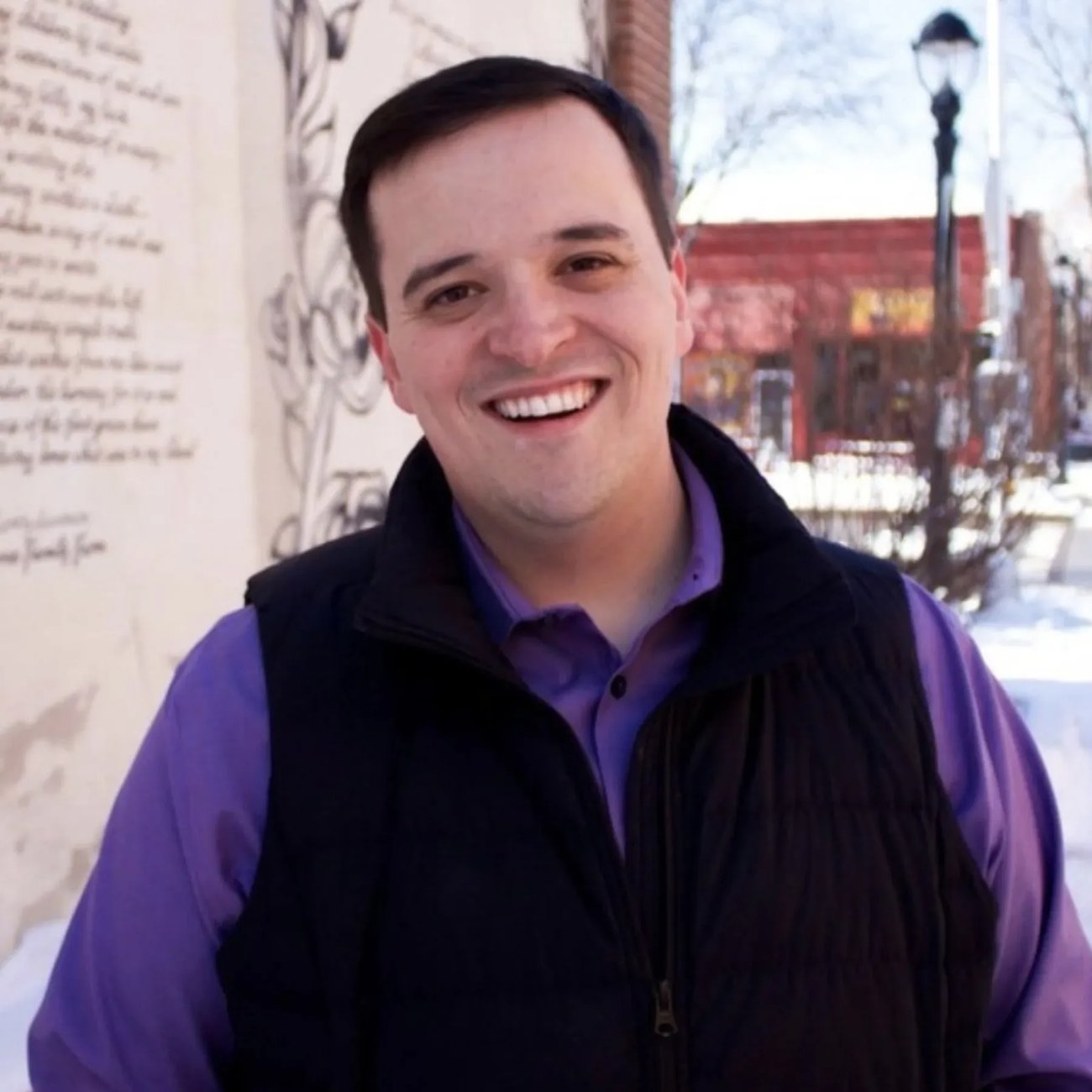
Jake Marsing is first-time candidate running for the Longmont City Council At-Large seat. This candidate is a fourth-generation Longmont resident and social studies teacher. His campaign centers on affordability, sustainable growth, and support for working families, educators, and first-time homebuyers.
Strengths (Pros): Marsing brings a community-focused perspective grounded in education and generational connection to Longmont. He emphasizes “missing middle” housing, early childhood care, and mixed-use neighborhoods that reduce the burden of long or inconvenient commutes. His campaign platform highlights collaboration, inclusion, and the long-term sustainability of local development.
Limitations (Cons): As a first-time candidate, Marsing will be navigating complex budgeting and development processes in city government for the first time. His broad, progressive agenda may not align with constituents who prefer a more restrained approach to spending or growth.
|
Their Website
|
|
 |
|
Steve Altschuler
2025 Longmont City-Council At-Large Candidate
|
|
Steve Altschuler is a first-time candidate running for the Longmont City Counci At-Large seat. This Candidate is a business professional and community advocate. His campaign emphasizes fiscal discipline, infrastructure improvements and policies aimed at addressing crime, homelessness, and local traffic concerns.
Strengths (Pros): Altschuler's business experience supports his focus on budget responsibility, cost control and efficiency in city operations. He highlights public safety, transportation, and housing access as top priorities, and advocates for policies that support homeowners and small businesses. His platform places emphasis on accountability and lower taxes which may appeal to voters prioritizing economic stability and neighborhood safety.
Limitations (Cons): Altschuler’s proposals tend to emphasize outcomes over detailed implementation, leaving room for clarification on how changes would be funded or enforced. His platform’s strong focus on crime and fiscal restraint may draw mixed reactions among voters seeking broader approaches to social services and equity.
|
Their Website
|
|
|
|
LONGMONT CITY COUNCIL CANDIDATES, WARD 2
|
|
Only residents living within Ward 2 may vote in this race. Voters should choose one candidate to represent their ward on City Council. The elected council-member will serve a four-year term and advocate for Ward 2’s neighborhoods and community concerns.
|
|
|
 |
|
Matthew Popkin
2025 Longmont City Council, Ward 2 Candidate
|
|
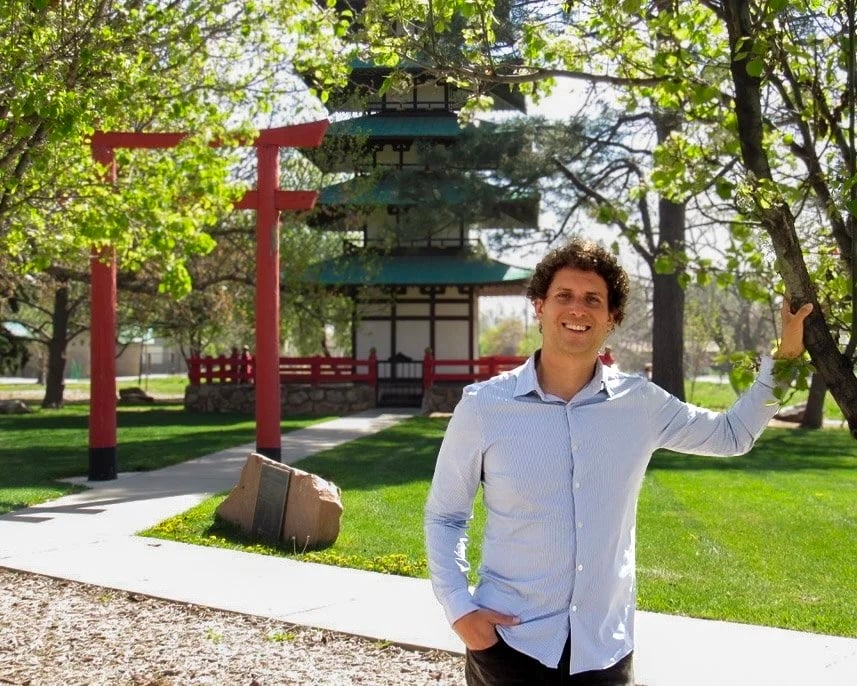
Matthew Popkin is a first time city-council candidate. This candidate describes himself as a “city nerd” with over 15 years of professional experience working with cities and counties across the U.S., helping them navigate federal funding, redevelopment and sustainability challenges. He has served locally as chair of Longmont’s Urban Renewal Authority and on various city boards (Housing Authority, Sustainability Advisory Board, Airport Advisory Board).
Strengths (Pros): Popkin's professional background in municipal governance, redevelopment and sustainability gives him technical knowledge about growth-management and redevelopment of industrial sites, and city utilities.His platform addresses major categories of municipal concern and his experience with multiple boards, meetings with residents/businesses in a short span shows a strong community outreach and engagement effort.
Limitations (Cons): This is Popkin's first, full city council term he is running for, so direct elected legislative experience is limited.His platform emphasizes large systems (redevelopment, utilities, airport) which could under-emphasize more granular neighborhood issues or immediate service concerns from voters in Ward 2.
|
Their Website
|
|
 |
|
Teresa Simpkins
2025 Longmont City Council, Ward 2 Candidate
|
|
Teresa Simpkins is a first time city-council candidate. This candidate is a long-time resident of Longmont and brings decades of public-service experience to her candidacy. After serving in local government roles for many years, Simpkins' transitioned into the private sector in 2022 with a marketing position at a company that develops software solutions for governments.
Strengths (Pros): Simpkins' decades of public service experience give her a working knowledge of how municipal government operates, particularly in budgeting, constituent services and long-term planning. Her familiarity with the city’s history position her as a candidate who understands neighborhood dynamics and resident concerns. Her platform reflects practical priorities such as, balanced growth, housing, local business support and public safety aligning with issues that directly affect residents’ daily lives.
Limitations (Cons): Simpkins' has not previously held elected office, which may present a learning curve in navigating council procedures and policymaking. Her campaign focuses on broad themes of growth, affordability and community preservation but offers limited specifics on how she would implement these goals.
|
Their Website
|
|
|
|
LOUISVILLE, LAFAYETTE & WESTMINSTER MEASURES & ORDINANCES
|
|
|
 |
|
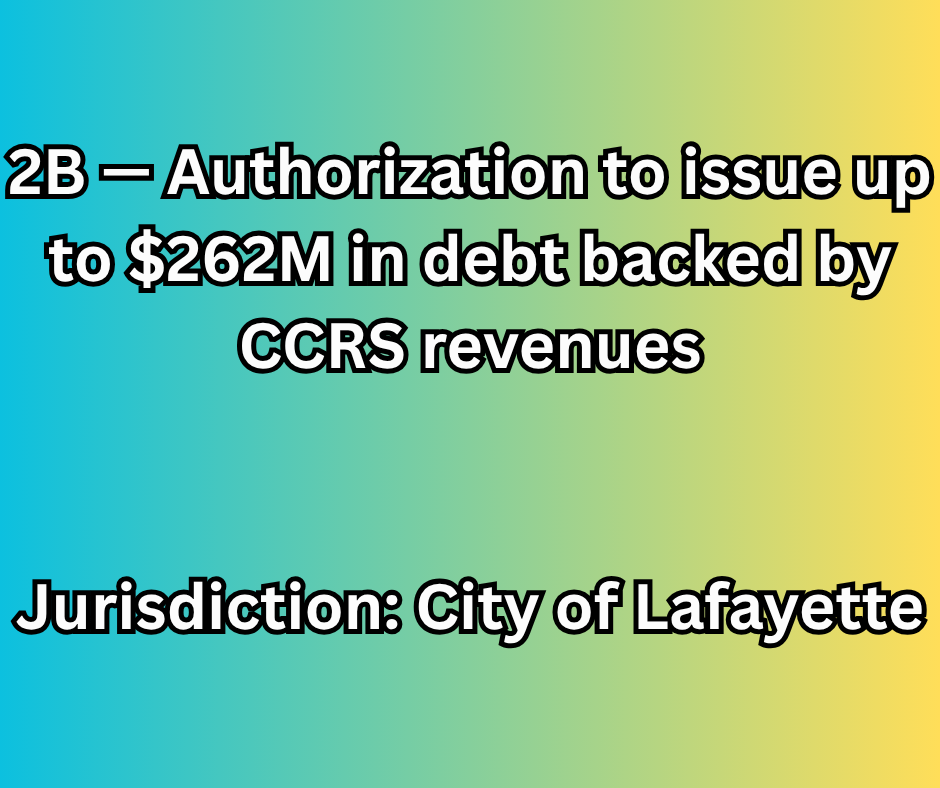
CITY OF LAFAYETTE MEASURE 2B
Here's a summary of the measure:
|
|
If you VOTE YES:
You approve the city’s authority to borrow funds to improve or build new community, recreation, and civic facilities. Property taxes would rise temporarily to repay the bonds.
If you VOTE NO:
You reject the bond authorization. Planned improvements would be postponed, scaled back, or require alternative funding sources.
Boulder Weekly Endorsement:
YES: Supports responsible, time-limited investment in community spaces that improve access and livability.
|
|
 |
|
INITIATED ORDINANCE — Residential Rezoning & Affordable Housing
Here’s a summary of the ordinance:
|
|
If You Vote YES:
Require that any residential rezoning on designated sites include at least 30% on-site affordable housing for households earning = 80% of AMI.
If You Vote NO:
Keep the city’s existing rezoning process without an on-site affordability requirement.
Boulder Weekly Endorsement
YES: Advances local affordability and responsible development goals; aligns with BW’s long-standing support for inclusionary housing and equitable growth.
|
|
|
 |
|
INITIATED ORDINANCE — Impact Fees & Development Liaison Committee
Here’s a summary of the ordinance:
|
|
If You Vote YES:
Expand the city’s development impact fees, require periodic impact studies, and establish a liaison committee to guide and review findings.
If You Vote NO:
Maintain the current fee structure and planning processes without added study or oversight.
Boulder Weekly Endorsement
YES: Promotes fiscal transparency and ensures growth pays its fair share. BW urges balance to avoid overburdening smaller builders.
|
|
 |
|
SALES & USE TAX INCREASE (~0.4%) — Fire/EMS and Neighborhood Streets
Here’s a summary:
|
|
If You Vote YES
Increase Westminster’s sales and use tax by ~0.4% to provide dedicated funding for emergency response and neighborhood street improvements.
If You Vote NO
Reject the tax increase; funding for these services would remain at current levels.
Boulder Weekly Endorsement
YES: Strengthens core public-safety and infrastructure services. While mindful of sales-tax impacts, BW views this as a justified, targeted investment in essential community needs.
|
|
|
|
|
BOULDER CITY COUNCIL CANDIDATES AND
BOULDER WEEKLY ENDORSEMENTS
|
|
Four Boulder City Council seats are open for election on November 4, 2025.
The editorial team endorses the following four candidates based on both who the candidates are as people (reputation, collaboration style, public perception) and their policy alignment with
Boulder Weekly’s long-standing editorial priorities.
|
|
|
|